
Selling on Amazon can be lucrative, but choosing the right fulfillment method is crucial. You have two main options: FBA (Fulfillment by Amazon) and FBM (Fulfillment by Merchant).
Many new sellers are confused about which method to use. Each has advantages and drawbacks. This guide will explain both clearly. You’ll also learn strategies to boost sales and manage costs effectively.
By the end, you’ll know whether FBA, FBM, or a combination of both suits your business best.
What is FBA?
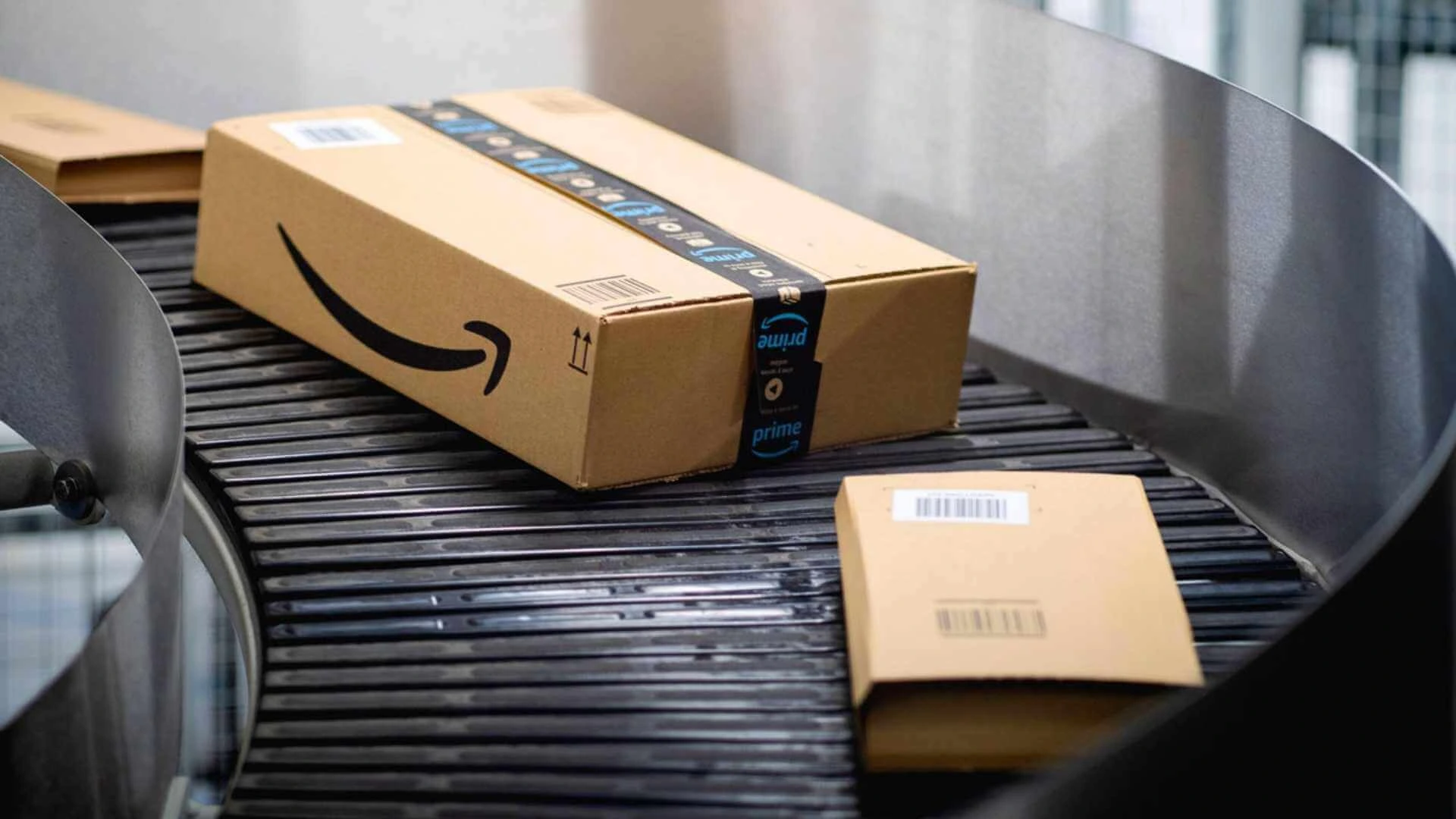
FBA (Fulfillment by Amazon) means Amazon handles storage, packing, and shipping.
- You send your products to Amazon warehouses.
- Amazon stores the items safely until sold.
- When customers order, Amazon ships them.
- Amazon also handles customer service and returns.
Benefits of FBA
- Faster Shipping: Products can reach customers quickly.
- Prime Eligibility: Your items can be Prime-eligible, boosting sales.
- Buy Box Advantage: FBA products often win the Buy Box.
- Hands-off Fulfillment: Less time spent managing shipping.
Drawbacks of FBA
- Higher Fees: Storage and fulfillment fees can add up.
- Less Control: Amazon manages inventory and shipping.
- Strict Requirements: Your products must meet Amazon guidelines.
What is FBM?
FBM (Fulfillment by Merchant) means you handle storage, packing, and shipping yourself.
- You store products in your warehouse or home.
- You pack orders and ship them to customers.
- You manage customer service and returns.
Benefits of FBM
- Lower Fees: You only pay for shipping and selling costs.
- Full Control: Manage inventory, packaging, and shipping freely.
- Flexible Storage: No warehouse restrictions.
Drawbacks of FBM
- Longer Shipping Times: Shipping speed depends on you.
- Customer Service Responsibility: You handle complaints and returns.
- Limited Prime Access: Only eligible via Seller-Fulfilled Prime.
FBA vs FBM: Key Differences
| Feature | FBA | FBM |
|---|---|---|
| Storage | Amazon warehouses | Seller’s location |
| Shipping | Amazon handles | Seller handles |
| Prime Eligibility | Yes | Only via Seller-Fulfilled Prime |
| Fees | Storage + fulfillment | Shipping & handling |
| Customer Service | Managed by Amazon | Managed by Seller |

Which Is Better: FBA or FBM?
The best choice depends on your business goals and resources.
- Choose FBA if:
- You want hands-off fulfillment.
- You want faster shipping and Prime access.
- You sell high-volume products.
- Choose FBM if:
- You want lower costs.
- You want full control over shipping.
- You can manage customer service efficiently.
Some sellers combine both. They use FBA for fast-moving items and FBM for slower-moving stock. This approach balances cost and convenience.
How to Start Selling with FBA
- Open an Amazon Seller account.
- Choose products for FBA.
- Label and prep products for Amazon.
- Ship inventory to Amazon warehouses.
- Monitor inventory levels and sales.
- Let Amazon handle shipping and returns.
How to Start Selling with FBM
- Open an Amazon Seller account.
- List products for FBM with clear images and descriptions.
- Store inventory in your location.
- Pack and ship orders quickly.
- Handle customer service and returns efficiently.
- Track shipping times to maintain good ratings.
Cost Comparison: FBA vs FBM
| Cost Factor | FBA | FBM |
|---|---|---|
| Fulfillment Fees | $2–$5 per item | None (self-handled) |
| Storage Fees | $0.75–$2.40 per cubic foot | None |
| Shipping Costs | Included in fees | Depends on carrier |
| Customer Service | Free | Seller-paid |
Example: Selling a $20 product:
- FBA fee: $5 for fulfillment + $1 storage = $6 cost.
- FBM fee: $3 shipping + $1 packaging = $4 cost.
FBM can be cheaper for small, low-volume products. FBA is better for high-volume, Prime items.
Pros and Cons Summary
FBA Pros
- Faster delivery.
- Prime eligibility.
- Buy Box advantage.
- Hands-off fulfillment.
FBA Cons
- Higher fees.
- Less control over inventory.
- Strict product requirements.
FBM Pros
- Lower costs.
- Full control over inventory and shipping.
- Flexible storage options.
FBM Cons
- Slower shipping.
- You manage customer service.
- Limited Prime access.
Combining FBA and FBM
Many sellers use a hybrid approach:
- FBA for popular, fast-selling items.
- FBM for seasonal or low-demand products.
- Switch methods based on inventory and sales trends.
This strategy helps save costs while maximizing sales potential.
Tips to Succeed with FBA and FBM
- Track Inventory: Avoid stockouts or excess storage fees.
- Optimize Listings: Use keywords and clear images.
- Monitor Sales Trends: Adjust fulfillment strategy accordingly.
- Respond Fast: Quick replies improve customer satisfaction.
- Analyze Metrics: Use data to reduce errors and improve shipping.
FAQs About FBA vs FBM
Yes, Amazon allows sellers to use both fulfillment methods for the same product.
FBA includes storage and fulfillment fees, while FBM depends on your shipping and handling costs.
Yes, through Seller-Fulfilled Prime. Your shipping speed must meet Amazon’s standards.
FBA generally boosts sales due to Prime eligibility and Buy Box advantage.
Yes, Amazon allows switching fulfillment methods for any product at any time.
FBA (Fulfillment by Amazon) means Amazon handles storage, shipping, and returns. FBM (Fulfillment by Merchant) means you handle everything yourself.
Compare fees using Amazon’s FBA calculator. Include fulfillment, storage, shipping, and other costs to see which is cheaper.
FBA products can often sell at higher prices due to Prime eligibility and faster shipping. The extra depends on your niche.
In Seller Central, go to Inventory > Manage Inventory. Check the “Fulfillment Channel” column—FBA or FBM will be displayed.
It’s the comparison between two fulfillment methods: FBA (Amazon handles shipping) vs FBM (seller handles shipping).
Use Amazon’s free FBA calculator online. Enter product price, size, and weight to compare FBA and FBM costs and profitability.
Conclusion
Both FBA and FBM have advantages and disadvantages. FBA is best for sellers who want hands-off fulfillment, faster shipping, and Prime eligibility. FBM is ideal for those who want lower costs, full control, and flexible storage.
A hybrid approach can maximize profits. Use FBA for fast-selling products and FBM for slower-moving inventory. Make decisions based on your sales data, resources, and business goals.
Choosing the right method can increase sales, reduce hassle, and improve customer satisfaction. Start small, track results, and adjust your strategy for long-term success.