

Amazon is one of the most trusted marketplaces in the world. Millions of customers shop daily, and sellers rely on Amazon PPC ads to reach this audience. However, using Amazon’s brand name, logos, or trademarked phrases without following the official rules can lead to ad disapprovals or even account suspension.
Amazon protects its brand identity strictly, and every advertiser must follow the Amazon brand usage guidelines for PPC. In this guide, we explain how to use Amazon brand elements properly in ads, what is prohibited, and how to stay compliant while running high-performing campaigns.
Understanding Amazon Brand Usage in PPC
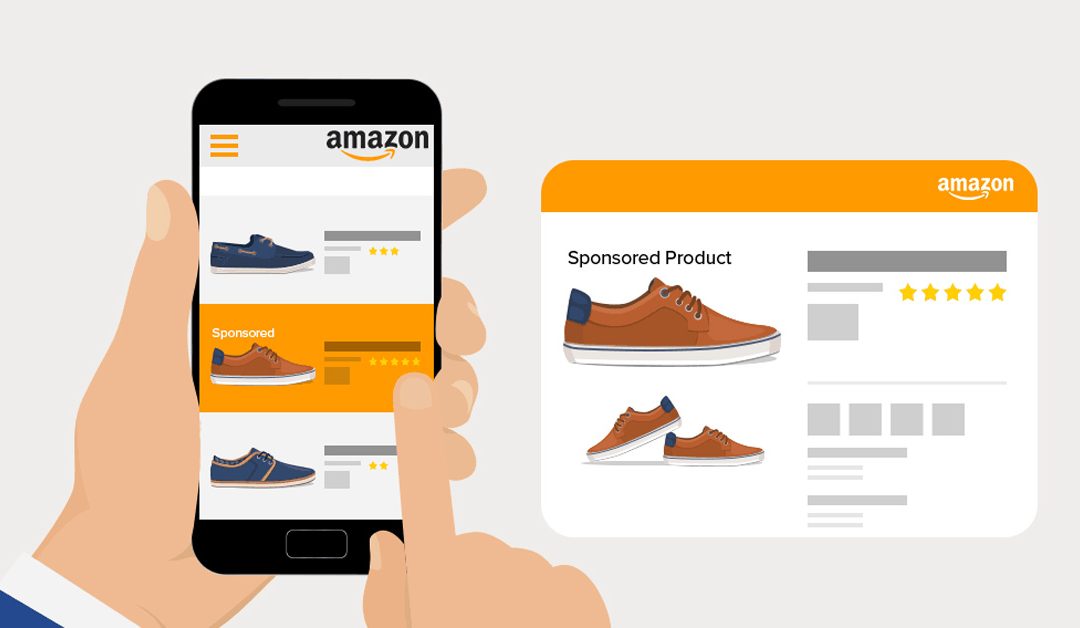
Amazon allows advertisers to use certain brand assets in their ads, but only under strict rules. These rules protect Amazon’s reputation, prevent customer confusion, and maintain a consistent brand identity.
- Amazon PPC guidelines exist to make sure sellers use the brand name, CTAs, and logos correctly.
- Amazon brand usage is not just about design but also about legal protection.
- Amazon advertising policies clearly outline what is allowed and what can lead to disapprovals.
When sellers ignore these guidelines, they risk policy violations, which can harm both their account and brand credibility.
Amazon Trademarks and Logo Usage Rules
Amazon’s name and logo are trademarks. Misuse can result in penalties.
Proper Use of the Word “Amazon”
- Always write Amazon with a capital “A.”
- Do not use “AMAZON” in all caps or “amazon” in lowercase.
- “Amazon.com” can be used, but only in approved contexts.
Logo Usage Rules
- Sellers can use the “Available at Amazon” logo under certain conditions.
- The logo must not be distorted, rotated, recolored, or modified.
- Amazon logo clear space rules apply: keep enough space around the logo to maintain visibility.
Misuse Examples
- Using Amazon’s main smile logo in ads without permission is prohibited.
- Placing Amazon logos on busy backgrounds that reduce readability is not allowed.
- Adding extra elements or outlines to logos breaks Amazon brand compliance rules.
Amazon PPC Guidelines for Text and Typography
Amazon typography rules are strict.
- Text formatting: The name “Amazon” must always be in title case.
- Font rules: Text link CTAs must use the Frutiger font in the correct sizes.
- Color use: CTAs should be in one consistent color with 70% opacity for arrows and underlines.
Incorrect formatting may lead to PPC ad disapprovals.
Amazon Call-to-Actions (CTAs)
Amazon has approved call-to-action phrases that sellers can use in PPC campaigns. These CTAs are trademarked and must be used exactly as provided.
Approved CTAs
- Shop now at Amazon.com
- Shop now
- Add to Cart
- Add to Wish List
- Clip Coupon
- Pre-order now
- Learn more
- See details
- Watch now
Any variation such as “Buy from Amazon today” is not allowed. Sellers must follow Amazon CTA guidelines strictly to avoid compliance issues.
Amazon Branded Content and Visual Identity
Amazon has branded elements such as “Amazon’s Choice” and “Best Seller” badges. These can only be used in ads when approved.
Branded Buttons
- Amazon-branded buttons are not allowed unless specifically permitted.
- Instead, use text links like “Shop now at Amazon.”
Badges
- Amazon’s Choice and Best Seller badges cannot be used in third-party ads unless Amazon authorizes them.
This ensures ads do not mislead customers or falsely represent brand association.
Subscribe and Save Guidelines
The Subscribe and Save feature has its own rules for PPC campaigns.
- Sellers can use the Subscribe and Save logo or badge logo.
- Logos must be in white or squid ink for legibility.
- Clear space requirements: at least 1/8 of the logo’s height around it.
- Onsite vs Offsite: Use the logo for Amazon platform ads and the badge for external campaigns.
Violations of these rules can lead to Amazon account warnings.
Amazon Advertising Compliance and Enforcement
Amazon enforces strict advertising restrictions. Violating them has consequences.
- Ad disapprovals: Non-compliant ads won’t run.
- Account warnings: Repeated mistakes trigger warnings.
- Suspension: Serious or repeated misuse may result in Amazon seller account suspension.
- Trademark violation: Unauthorized use of Amazon trademarks can lead to legal action.
To stay safe, always follow the Amazon advertising best practices.
Best Practices for Amazon Brand Representation
Following Amazon brand identity rules ensures long-term success.
- Always check the Amazon style guide for advertisers.
- Use only approved CTAs and logos.
- Avoid altering Amazon assets.
- Test ads for compliance before launching.
Compliance improves trust with both Amazon and customers.
Offsite Ads and Partner Branding Rules
Amazon also controls how brand assets are used outside its platform.
- Amazon offsite ads brand usage applies when running ads on Google, Facebook, or other platforms.
- The “Available at Amazon” logo can be used offsite, but not onsite.
- Amazon partner branding rules apply when working with affiliates or marketing partners.
Incorrect usage can trigger Amazon brand guidelines enforcement actions.

Consequences of Misuse
Sellers who ignore the rules risk serious consequences.
- Ad disapprovals lead to wasted ad spend.
- Repeated violations can cause Amazon advertising compliance flags.
- Severe misuse may result in legal action risk.
- Reputation damage can harm your long-term business.
Ensuring Long-Term Brand Compliance
To avoid penalties, sellers should:
- Audit all ad creatives before launching.
- Follow Amazon ad creative guidelines.
- Keep updated with policy changes.
- Train ad managers on Amazon brand consent rules.
This proactive approach ensures compliance and smooth campaign performance.
Amazon Advertising Best Practices for PPC Success
To maximize PPC results while staying compliant:
- Stick to approved CTAs and logos.
- Avoid shortcuts or unverified assets.
- Use Amazon’s downloadable logo packs.
- Monitor ad performance for policy-related rejections.
When done correctly, PPC campaigns align with Amazon branding in third-party ads while delivering strong ROI.
FAQs on Amazon Brand Usage Guidelines for PPC Campaigns
Only the “Available at Amazon” and “Subscribe and Save” logos are allowed under specific conditions.
You can only use approved CTAs such as “Shop now at Amazon” or “Add to Cart.” Variations are not allowed.
Only approved logos like “Available at Amazon” may be used, not the primary smile logo.
You may face ad disapprovals, account suspension, or even legal action.
No. Amazon prohibits custom buttons resembling its branded buttons.
Yes, they must use Frutiger fonts with specific sizing rules.
Yes, but only in approved contexts such as CTAs.
It is the set of rules that ensure sellers use Amazon assets legally and consistently.
It will not run, and repeated disapprovals can harm your account standing.
No, they cannot be used in ads without Amazon’s approval.
Yes, but only with approved logos and phrases.
Review Amazon’s style guide and always follow trademark usage rules.
Yes, Amazon may pursue legal action for serious trademark violations.
Onsite refers to ads on Amazon, while offsite covers external ads like Google or Facebook.
Yes, but only with approved text links or logos.
It is the permission needed to use certain brand elements in ads.
By following all Amazon advertising compliance rules strictly.
No, unless Amazon explicitly authorizes it.
It is Amazon’s process of reviewing ads for policy violations.
To protect Amazon’s brand identity and maintain customer trust.
Conclusion
Amazon PPC ads are powerful for boosting visibility and sales, but they must follow the official Amazon brand usage guidelines. Misuse of logos, CTAs, or trademarked elements can lead to disapprovals, account warnings, or even suspension. By respecting Amazon’s advertising policies, using only approved assets, and following best practices, sellers can run compliant and effective PPC campaigns. Compliance not only protects your account but also builds long-term trust with customers, ensuring sustainable growth on Amazon.