

Selling on Amazon can be overwhelming for new sellers. One option is being an FBM seller, or Fulfilled by Merchant. Unlike FBA, you handle storage, shipping, and customer service yourself. This approach gives more control, lower fees, and flexibility. However, it also comes with challenges. In this guide, you will learn everything about becoming a successful FBM seller, optimizing your listings, managing orders, and keeping customers happy. By the end, you’ll know exactly how to start, avoid mistakes, and grow your business efficiently.
What is an FBM Seller?
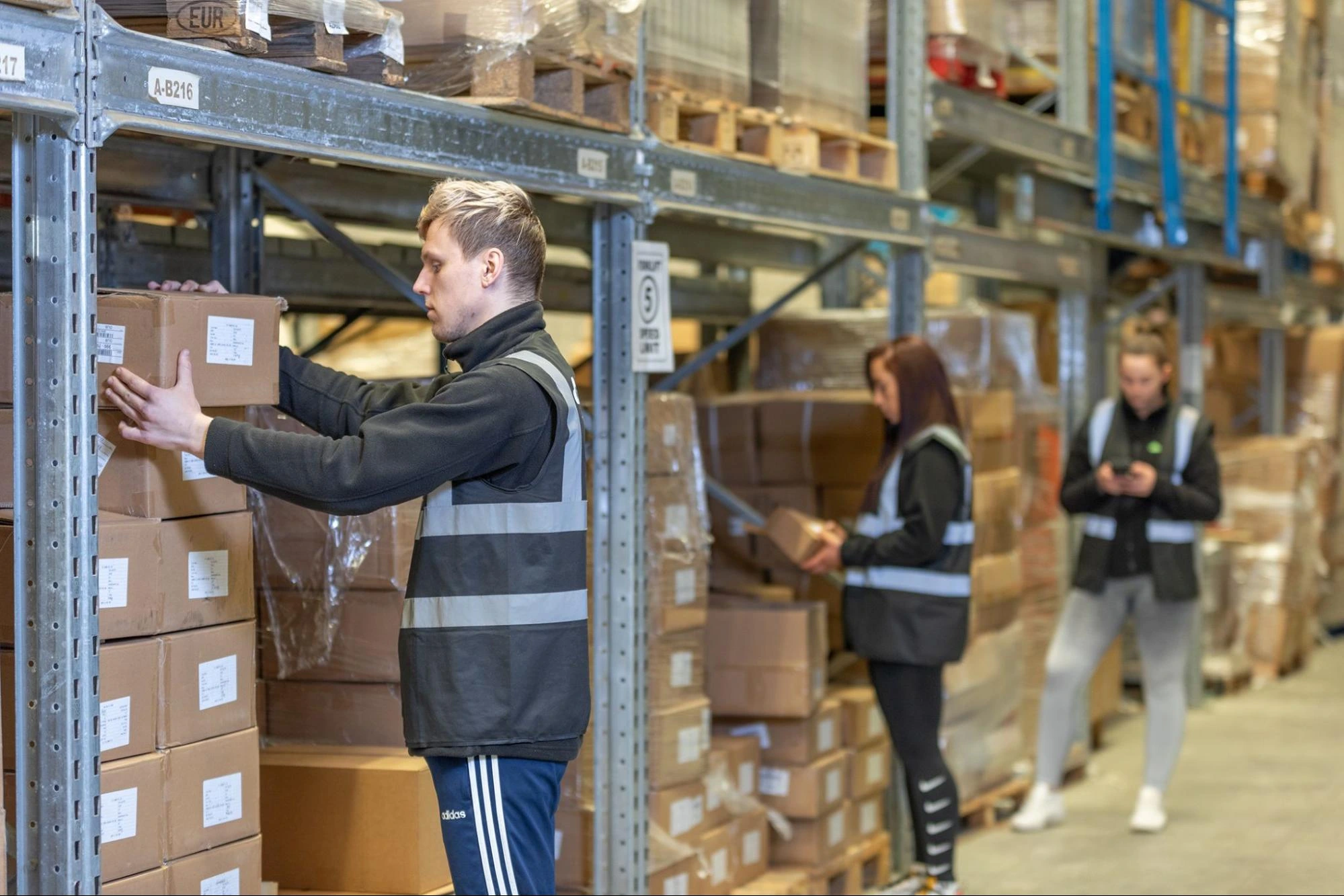
An FBM seller is someone who lists products on Amazon but handles storage and shipping themselves. Amazon provides the platform but does not manage logistics. This method is called Fulfilled by Merchant. FBM sellers are responsible for:
- Storing inventory
- Packing and shipping orders
- Handling customer inquiries
- Managing returns and refunds
FBM is ideal for sellers with smaller inventories or specialized products. It gives control over packaging, shipping speed, and branding.
FBM vs FBA: Key Differences
Understanding the difference between FBM and FBA is crucial:
| Feature | FBM Seller | FBA Seller |
|---|---|---|
| Storage | Handled by seller | Amazon warehouse |
| Shipping | Seller ships | Amazon handles |
| Fees | Lower fees | Higher fees |
| Control | High control | Limited control |
| Prime Badge | Optional | Automatic |
Advantages of Being an FBM Seller
Being an FBM seller offers several benefits:
- Lower Fees: You don’t pay FBA storage or fulfillment fees.
- Full Control: Choose how you store and ship products.
- Custom Branding: Add personal touches to packaging.
- Flexibility: Sell products Amazon may not accept for FBA.
- Profit Margins: Better margins if you handle shipping efficiently.
FBM is suitable for sellers who want to scale without heavy fees.
Challenges FBM Sellers Face
FBM also has challenges:
- Time-Consuming: You must manage shipping and customer service.
- Shipping Errors: Mistakes can hurt your seller rating.
- No Prime Badge: Customers may prefer FBA items for faster shipping.
- Inventory Management: You need accurate tracking to avoid stockouts.
- Customer Expectations: Fast delivery is expected even if you handle it yourself.
Planning and proper tools can reduce these issues.
How to Start Selling as an FBM Seller
Follow these steps to become a successful FBM seller:
- Create a Seller Account: Register on Amazon Seller Central.
- Choose Your Niche: Select products with demand and low competition.
- List Products: Optimize titles, descriptions, and images.
- Set Shipping Options: Offer accurate delivery times.
- Manage Inventory: Track stock levels carefully.
- Provide Customer Service: Respond quickly to inquiries.
- Analyze Performance: Track sales and improve listings regularly.
Starting small helps you learn without risk.
Tips for Optimizing FBM Listings
Optimizing your listings increases visibility and sales:
- Use high-quality images from multiple angles.
- Write clear titles with your main keyword.
- Include bullet points for features and benefits.
- Write a compelling product description.
- Add backend keywords in Seller Central.
- Monitor competitor listings and adjust prices strategically.
Short, precise, and engaging listings attract more buyers.

Shipping, Handling, and Customer Service Best Practices
Shipping and service are critical for FBM success:
- Use reliable shipping carriers.
- Ship orders promptly to meet expectations.
- Include tracking numbers for all shipments.
- Offer clear return policies.
- Communicate politely and quickly with customers.
- Keep inventory organized to avoid delays.
Great service builds positive reviews and repeat buyers.
Common Mistakes FBM Sellers Should Avoid
Avoid these mistakes to succeed as an FBM seller:
- Ignoring Inventory Management: Stockouts frustrate customers.
- Slow Shipping: Late delivery leads to poor ratings.
- Poor Packaging: Damaged products harm reputation.
- Ignoring Customer Messages: Response time impacts feedback.
- Overpricing Products: Check competitors and market trends.
Avoiding these ensures better performance and growth.
FAQs About FBM Sellers
It depends on your goals. FBM offers lower fees and control. FBA is easier for scaling.
Yes, via Seller Fulfilled Prime, but you must meet strict requirements.
Costs include storage, shipping, and packaging. It’s usually lower than FBA fees.
Not always. Small sellers can start from home or use third-party fulfillment.
Optimize listings, offer fast shipping, and provide excellent customer service.
To sell on Amazon FBM, create a seller account, list your products, and handle shipping yourself. Ensure fast delivery and good customer service.
Yes, you can sell the same product using FBA and FBM. This helps you reach more customers and manage inventory flexibly.
Yes, many sellers use both methods simultaneously. FBA handles fast shipping, while FBM gives control over some inventory.
List your products on Amazon, set up shipping options, manage inventory, and ship orders yourself. Always respond quickly to customers.
FBM means you handle shipping without Prime benefits. Seller Fulfilled Prime allows you to ship products yourself while offering Amazon Prime eligibility.