
Selling on Amazon can be a goldmine but only if you manage your operations smartly. That’s where Amazon FBA (Fulfillment by Amazon) fits best. For sellers, FBA is more than just a logistics solution, it’s a growth engine that can save time, expand reach, and boost profits.
In this guide, we’ll break down what FBA is, how it works, its benefits for sellers, fees, best practices, common challenges, and tips to maximize success on Amazon.
What is Amazon FBA?
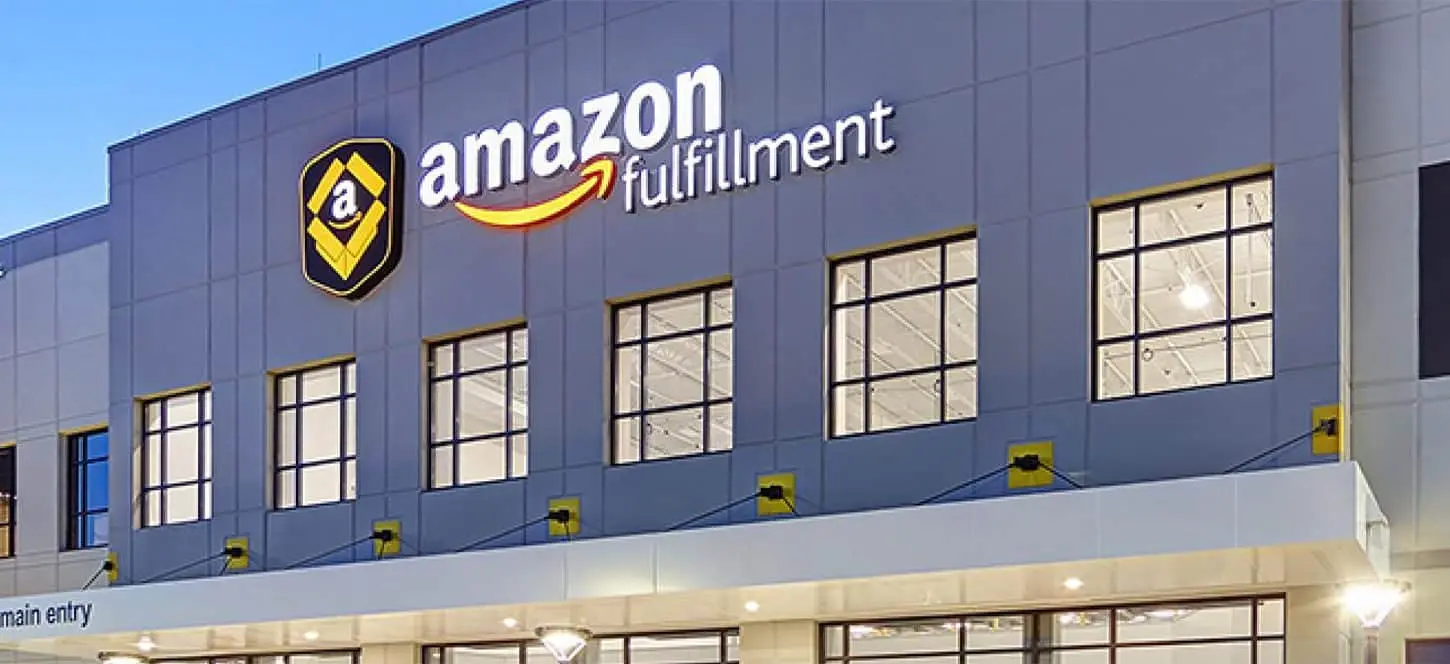
Amazon FBA stands for Fulfillment by Amazon. It’s a service where Amazon handles storage, packing, shipping, and customer service for sellers. Instead of managing inventory, packaging, or returns yourself, Amazon takes care of the heavy lifting while you focus on growing your business.
In simple terms:
- You send your products to Amazon’s fulfillment centers.
- Amazon stores and ships products directly to buyers.
- They handle returns, refunds, and customer queries.
For sellers, this means less operational hassle and more opportunities to scale.
How Amazon FBA Works for Sellers
Here’s a step-by-step look at how Amazon FBA works:
Create an Amazon Seller Account
Choose a Professional or Individual account depending on your business size.
Set up your product listings with accurate descriptions, pricing, and images.
Prepare Your Inventory
Package your products according to Amazon’s guidelines.
Label items with barcodes for tracking in the fulfillment center.
Ship Products to Amazon Fulfillment Centers
Amazon assigns storage locations based on your inventory type and demand.
You can track shipments in Seller Central.
Amazon Stores and Manages Inventory
Products are stored safely and monitored for demand.
Amazon keeps track of stock levels and sends restock alerts.
Customer Orders and Shipping
When a customer orders, Amazon picks, packs, and ships the product.
Prime customers get fast shipping, which can increase your sales.
Returns and Customer Service
Amazon handles returns, refunds, and customer queries.
Sellers benefit from Amazon’s trusted customer service without doing it themselves.
Benefits of Amazon FBA for Sellers
FBA provides multiple advantages for sellers aiming to grow:
- Scale Without Extra Staff: No need for warehouse employees or delivery logistics.
- Prime Eligibility: Products become eligible for Amazon Prime, boosting trust and sales.
- Fast Shipping: Customers receive products quickly, which improves reviews and ratings.
- Focus on Growth: Sellers can spend more time on marketing, sourcing, and expanding their catalog.
- Multi-Channel Fulfillment: Amazon can fulfill orders from your website or other platforms.
- Returns & Customer Support Handled: Less stress and fewer headaches managing customer service.
Amazon FBA Fees Overview
Using FBA comes with costs. Understanding fees helps sellers plan for profitability. Common FBA fees include:
- Fulfillment Fees: Charged per unit based on size and weight, covering picking, packing, and shipping.
- Storage Fees: Monthly fees based on how much space your inventory takes in Amazon’s warehouse.
- Long-Term Storage Fees: Applied for inventory stored over 365 days.
- Optional Services: Labeling, removal, and prep services.
Tip: Monitoring inventory levels and sales velocity reduces storage costs and avoids unexpected fees.
Best Practices for FBA Sellers
To maximize FBA benefits and profits, sellers should follow these strategies:
- Optimize Product Listings: High-quality images, keyword-rich titles, and detailed descriptions increase conversions.
- Forecast Inventory: Use past sales data to prevent stockouts or excess storage.
- Leverage Multi-Channel Fulfillment: Sell on your website or other platforms while using Amazon to handle fulfillment.
- Monitor Fees: Regularly review fulfillment and storage fees to ensure profitability.
- Use Promotions Strategically: Coupons, bundles, and deals can increase sales velocity and rankings.

Common FBA Challenges & How to Overcome Them
Even experienced sellers face challenges with FBA:
Stockouts or Overstocking
Use inventory planning tools and Amazon reports to maintain healthy stock levels.
High FBA Fees
Monitor size and weight of products; optimize packaging to reduce costs.
Returns & Refund Abuse
Keep track of return patterns; Amazon flags abuse and protects sellers.
Competition on Amazon
Focus on listing optimization, PPC campaigns, and branding to stand out.
Real-Life Seller Example
Mark, a seller of fitness accessories, struggled to manage 200+ orders per month. After enrolling in FBA:
- Order fulfillment time dropped from 5 days to 1–2 days
- Customer satisfaction improved, earning more 5-star reviews
- Mark scaled his catalog by 50% within six months
This demonstrates how FBA allows sellers to focus on growth instead of operations.
Final Thoughts
Amazon FBA is a powerful tool for sellers who want to scale efficiently. It streamlines logistics, improves customer trust, and opens doors to new growth opportunities.
By using FBA wisely, optimizing listings, managing inventory, and leveraging Amazon’s fulfillment network, sellers can increase market share, boost sales, and focus on growing their business instead of handling day-to-day operations.
Ready to utilize the full potential of FBA? Start optimizing your Amazon store today and let your business reach new heights.
FAQs About Amazon FBA
Most products can use FBA, but certain items like hazardous materials or restricted products require special approval.
Typically 1–3 days, depending on volume and fulfillment center location.
Yes, you can use Multi-Channel Fulfillment to ship orders from other platforms.
FBA fees vary by size, weight, and storage duration. Regular monitoring ensures profitable sales.
Absolutely. FBA simplifies operations, allowing new sellers to scale faster without complex logistics.