

Have you ever wondered how Amazon delivers millions of packages so fast? The answer lies in the Amazon Supply Chain. It’s one of the most advanced systems in the world.
From warehouses to delivery vans, everything runs with precision. Understanding this supply chain helps sellers and buyers see how Amazon stays ahead.
Let’s break down how the Amazon Supply Chain works and why it matters to every business today.
What Is the Amazon Supply Chain?
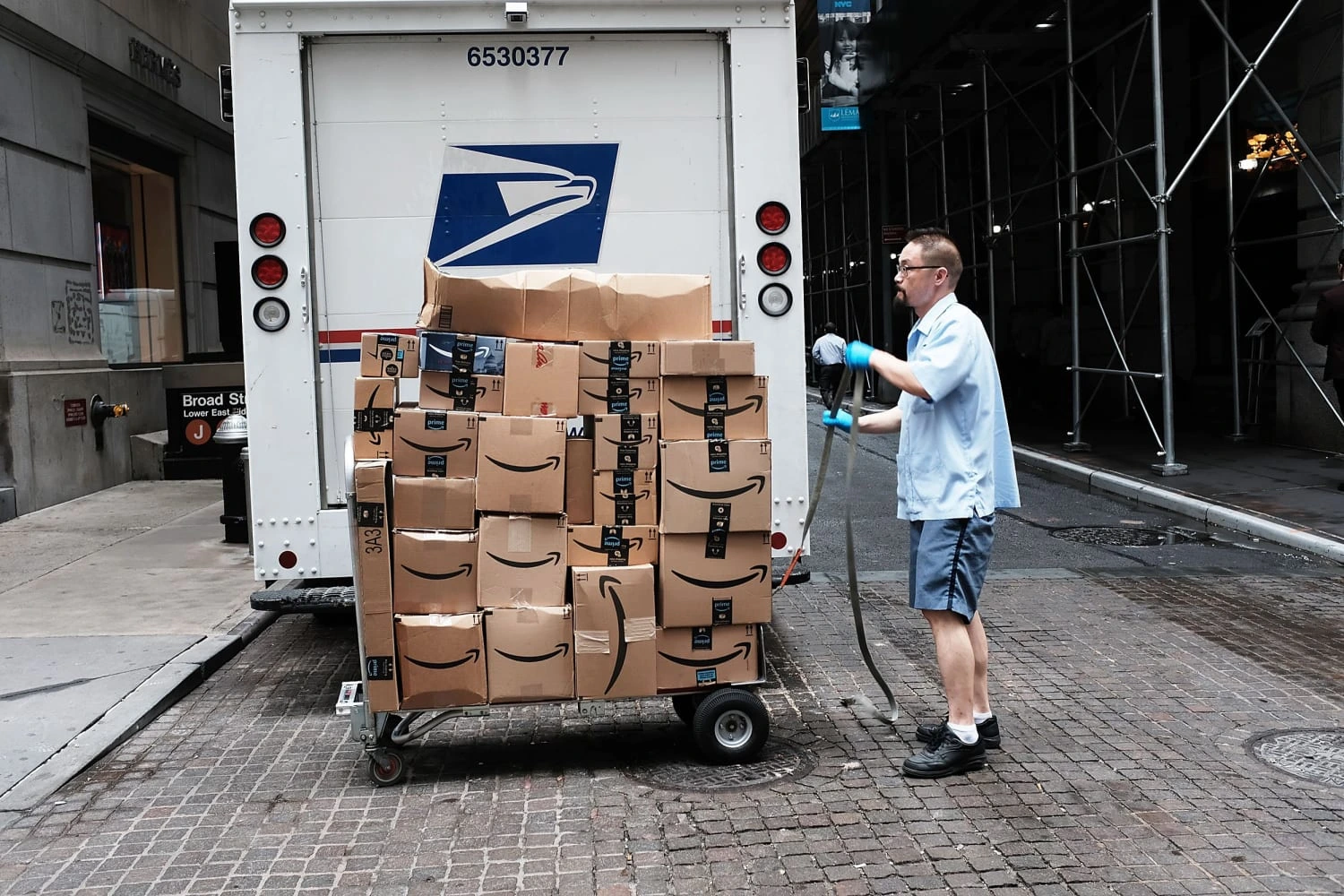
The Amazon Supply Chain is the system that handles product storage, shipping, and delivery.
It includes technology, logistics, and operations that ensure products reach customers quickly.
Amazon’s supply chain isn’t just big — it’s smart.
It connects suppliers, fulfillment centers, and customers using automation and data.
Every step is designed for speed and accuracy.
How Does the Amazon Supply Chain Work?
The Amazon Supply Chain works through several core stages.
Let’s explore each step in detail.
1. Product Sourcing
Amazon sources products directly from manufacturers and third-party sellers.
It uses global networks to get products at competitive prices.
This wide sourcing helps maintain variety and availability.
2. Fulfillment Centers
Products move to Amazon fulfillment centers located worldwide.
These centers store, pack, and ship items using advanced robots.
Automation reduces human error and boosts efficiency.
3. Inventory Management
Amazon uses predictive analytics for stock tracking.
It forecasts demand using customer data and sales trends.
This helps prevent stockouts and delays.
4. Shipping and Delivery
Amazon has its own delivery network, including Amazon Logistics and Amazon Air.
Packages are sorted and routed efficiently.
Prime customers often get deliveries in one or two days.
5. Returns Management
The Amazon Supply Chain also manages product returns.
Customers can easily send items back through local drop-off points.
Returned products are inspected, restocked, or recycled quickly.
Key Components of the Amazon Supply Chain
1. Technology and Automation
Automation is the backbone of the Amazon Supply Chain.
Robots, AI, and machine learning guide picking, packing, and delivery.
This technology improves accuracy and saves time.
2. Data and Forecasting
Amazon collects real-time data from millions of transactions.
It uses this information to forecast demand and manage stock efficiently.
Data-driven decisions keep the system reliable.
3. Amazon Logistics
Amazon Logistics handles last-mile delivery.
It includes Amazon Flex drivers, vans, and air services.
This internal system gives Amazon full control over shipping.
4. Supplier Relationships
Amazon works closely with thousands of suppliers worldwide.
This strong network helps maintain stock and minimize costs.
Suppliers benefit from predictable demand and faster payments.

Benefits of the Amazon Supply Chain
1. Fast Delivery
The biggest advantage is speed.
The Amazon Supply Chain ensures customers get orders quickly.
Same-day and next-day deliveries are now common.
2. Cost Efficiency
Automation reduces labor and logistics costs.
Efficient systems mean lower prices for customers and sellers.
3. Global Reach
Amazon delivers to over 100 countries.
Its supply chain allows seamless global trade.
4. Reliability
From tracking to customer support, reliability is key.
The system rarely fails, even during high demand.
Amazon Supply Chain for Sellers
Sellers benefit greatly from Amazon’s logistics system.
Programs like Fulfillment by Amazon (FBA) make selling easier.
Amazon stores, packs, and ships products for sellers.
This saves time and ensures customers get fast delivery.
Sellers can also track inventory in real time.
How Amazon Uses AI in Its Supply Chain
Artificial Intelligence powers many parts of the Amazon Supply Chain.
AI helps forecast sales, plan routes, and manage warehouses.
It even predicts what customers might buy next.
This data-driven approach keeps Amazon efficient and competitive.
Challenges in the Amazon Supply Chain
Even the best systems face challenges.
Here are some of the main ones:
- Rising fuel and shipping costs
- Global supply disruptions
- Labor shortages
- Environmental concerns
Amazon continues to innovate to solve these problems.
The Future of the Amazon Supply Chain
Amazon keeps expanding its logistics network.
Expect more automation, drones, and AI-driven systems ahead.
Sustainability will also play a major role.
Green warehouses and electric vehicles will define the future supply chain.
Why Businesses Should Learn from Amazon’s Supply Chain
Businesses can learn valuable lessons from Amazon.
Focus on automation, customer experience, and speed.
Efficient systems lead to growth and loyalty.
By studying the Amazon Supply Chain, companies can build stronger operations.
Conclusion
The Amazon Supply Chain is a model of efficiency, technology, and innovation.
It delivers billions of items each year with unmatched speed.
For sellers and customers, it sets the gold standard in logistics.
If you want to scale your business on Amazon, understanding this system is key.
Efficiency begins with learning from the best and Amazon leads the way.
FAQs About Amazon Supply Chain
It’s Amazon’s system for sourcing, storing, and delivering products efficiently using technology and logistics.
Amazon uses automation, AI, and data analytics to manage inventory, orders, and deliveries globally.
Because it’s powered by technology, customer focus, and continuous innovation.
It handles the delivery side of the supply chain, ensuring fast and reliable shipping.
By using FBA, sellers can leverage Amazon’s storage, packing, and shipping system to grow faster.